Redesign Your Area With Skilled Flooring Expertise: Tiling, Fitting & Additional Services
Expert flooring services serve a crucial function in enhancing both the design quality and functionality of any space. With numerous materials accessible, including solid wood, vinyl, and ceramic tiles, making the right choice can be daunting. Professional installation additionally ensures that these choices are executed impeccably. Understanding the merits and maintenance of each type of flooring can greatly impact longevity. What cutting-edge trends should one consider when organizing a flooring upgrade?
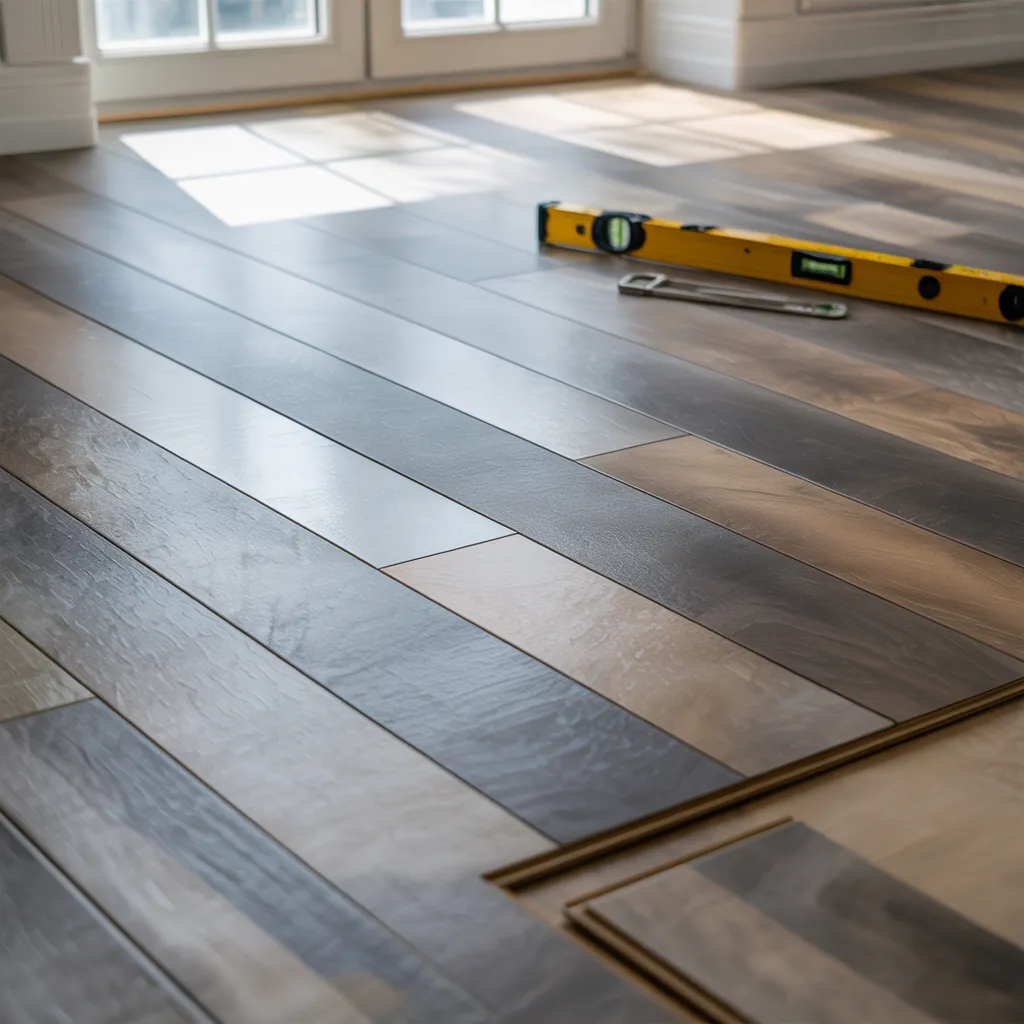
The Advantages of Selecting the Proper Flooring Material
Selecting the right flooring material is crucial, as it can significantly impact both the aesthetics and functionality of a space. The selection influences not only the visual appeal but also the lasting quality, maintenance, and comfort underfoot. For example, hardwood flooring delivers warmth and timeless elegance, while tile delivers versatility and water resistance, making it ideal for high-moisture areas. Furthermore, flooring choices support sound insulation, temperature regulation, and overall indoor air quality, which are critical for creating a comfortable environment.
The right material can also enhance safety, reducing the risk of slips and falls. Multiple flooring alternatives suit different lifestyle preferences and demands; families raising children often choose hard-wearing materials, while people wanting opulence might prefer lavish carpets or elite stone. Ultimately, informed decisions regarding flooring material lead to lasting satisfaction and improved quality of life in any space.
Investigating Multiple Varieties of Flooring: A Detailed Guide
The flooring industry provides a variety of materials, each with unique characteristics and benefits. Comprehending installation techniques and maintenance requirements is vital for making an informed choice. This guide offers a comprehensive overview of different flooring types to assist homeowners in their decision-making process.
Types of Flooring Materials
A wide variety of flooring materials are accessible to suit varied aesthetic preferences and practical needs. Options include hardwood, recognized for its traditional elegance and durability, and laminate, which presents a economical alternative that mimics wood. Vinyl is popular for its moisture resistance and versatility, making it well-suited for kitchens and bathrooms. Tile, offered in ceramic and porcelain, supplies durability and a selection of design choices, while carpet adds comfort and comfort to living spaces. Natural stone, such as granite or marble, offers luxury and uniqueness but typically needs more maintenance. Each flooring material offers its benefits and limitations, making it crucial for homeowners to consider factors like budget, style, and functionality when selecting the right option for their space.
Installation Methods Explained
Understanding the different installation approaches is essential for optimizing the benefits of different flooring materials. Each kind of flooring, whether hardwood, laminate, tile, or carpet, requires distinct approaches to ensure proper application and longevity. For illustration, floating installations allow for natural expansion and contraction, making them ideal for locations with fluctuating temperatures. Glue-down techniques deliver a secure bond for tiles and hardwood, while nail-down methods are typically used for solid wood floors. Additionally, the subfloor preparation considerably affects the total performance and appearance. Experts suggest assessing the environment and material attributes to determine the most fitting installation approach. By utilizing the proper approaches, homeowners can achieve a resilient and visually appealing floor that improves their living spaces.
Essential Maintenance Tips
Even though each type of flooring has its specific characteristics, consistent maintenance is vital for preserving their beauty and functionality. For hardwood floors, frequent sweeping and occasional polishing can avoid scratches and retain luster. In contrast, tile flooring requires grout cleaning and sealing to avoid stains and moisture damage. Carpets benefit from regular vacuuming and professional deep cleaning to eliminate allergens and preserve appearance. Laminate flooring should be cleaned with a damp mop and gentle detergent to prevent warping. Vinyl flooring is easily cared for with routine sweeping and periodic mopping. Homeowners should also consider using protective mats in high-traffic areas and furniture pads to prevent damage. A customized maintenance routine can significantly extend the life of any flooring type.
The Significance of Expert Installation
Skilled flooring installation start here is vital for maintaining both the durability and aesthetic appeal of the finished product. Poor installation can result in a number of problems, like uneven surfaces, rapid wear, and even structural damage. A qualified professional recognizes the unique requirements of diverse flooring materials and the subtleties of installation techniques.
In addition, professional installers can recognize potential issues before they emerge, delivering a more seamless process and limiting future repair costs. Their expertise facilitates precise measurements and accurate cutting, which is essential for achieving a flawless finish.
Furthermore, professional installation often comes with warranties, offering homeowners peace of mind that their investment is safeguarded. In contrast, DIY installations may not only undermine quality but also void any manufacturer warranties. Ultimately, choosing expert installation not only elevates the visual appeal of the space but also ensures its lasting quality for years to come.
Selecting the Ideal Flooring for Your Space
Choosing the right flooring demands thorough consideration of numerous factors. Homeowners should evaluate their lifestyle requirements, think about their aesthetic tastes, and evaluate budget constraints to make an informed decision. Every of these elements plays a crucial role in picking flooring that meets both functional and design requirements.
Assess Your Lifestyle Demands
How can one guarantee that their flooring choice corresponds with their lifestyle needs? To commence, evaluating daily activities is essential. For active households, sturdy materials like tile or luxury vinyl might be ideal, as they withstand heavy foot traffic and accidental spills. On the other hand, quieter environments could benefit from softer flooring options such as carpet, which provides warmth and sound absorption.
Additionally, accounting for pets is vital; scratch-resistant and simple-to-clean surfaces are ideal for pet owners. Those with allergies may lean towards hypoallergenic materials that decrease dust and allergens. Finally, reviewing maintenance requirements helps verify that the chosen flooring aligns smoothly with the homeowner's routine, making it a practical choice for their lifestyle.
Contemplate Style Selections
A homeowner's choice of flooring should also reflect their aesthetic preferences to create a cohesive and inviting space. Selecting the right flooring involves considering the overall design theme of the home, whether it showcases current, timeless, or mixed styles. Various materials, including wood, ceramic, or composite flooring, can create unique ambiances. As an illustration, inviting wood shades can contribute a touch of warmth, while polished tiles can strengthen a current-day atmosphere. Color schemes play an essential role; pale colors can help a room seem more expansive, while darker tones can add drama and coziness. Additionally, patterns and textures can introduce visual interest. In the end, matching flooring decisions with individual taste helps ensure that the area is both practical and visually attractive.
Review Budget Constraints
When assessing flooring choices, what budgetary limitations must be factored in? Homeowners should begin by establish a clear budget, incorporating both material and installation costs. Different flooring types, such as hardwood, laminate, tile, or carpet, present different price points, determining the overall expense. Additionally, one must consider potential hidden charges, such as underlayment, maintenance, and future repairs. It is also prudent to consider the long-term value of each flooring type; investing in high-quality materials may produce lower replacement costs over time. Evaluating quotes from multiple suppliers can provide a clearer perspective of the financial commitment required. Ultimately, aligning flooring selections with budget restrictions guarantees a satisfactory balance between aesthetics and financial feasibility.
Maintenance Strategies for Lasting Quality and Robustness
While countless homeowners prioritize choosing the appropriate flooring material, preserving that flooring is just as important for maintaining its longevity and strength. Frequent cleaning is foundational; employing a vacuum or broom to clear away dirt and debris stops scratches and wear. For spills, instant cleanup with a wet cloth or correct cleaner is crucial to avoid stains and damage.
Moreover, homeowners should consider placing area rugs in high-traffic zones to provide extra protection. Regular professional cleaning can also revitalize flooring and remove deep-seated grime. For wood flooring, applying a suitable sealant and polish elevates its appearance and guards against moisture.
Last but not least, keeping track of humidity levels can help avoid warping or cracking in materials such as hardwood. By employing these maintenance techniques, homeowners can greatly prolong the durability of their flooring and keep its appearance for years to come.
Game-Changing Flooring Styles to Think About
Keeping up with flooring is equally important to selecting the right materials, but trends in flooring design can also significantly improve a home's aesthetic and functionality. One notable trend is the use of large-format tiles, which reduce grout lines and create a smooth look, making spaces look larger. Additionally, natural materials like hardwood and stone are increasing in popularity for their warmth and enduring appeal.
Eco-friendly flooring choices, for example bamboo and recycled tiles, are also on the rise, resonating with environmentally conscious homeowners. Tactile surfaces, like embossed and matte finishes, bring depth and visual appeal while boosting grip and safety.
Furthermore, vibrant patterns and colors are being embraced for statement flooring, permitting homeowners to express their individual taste. As these innovative flooring trends evolve, they deliver innovative solutions that not only enhance aesthetics but also increase the total functionality of living spaces.
Frequently Asked Questions
How Long Will the Flooring Installation Process Generally Take?
Flooring installation typically takes 1-3 days, contingent upon the size of the area and the flooring material selected. Considerations including preparatory work and drying durations can also determine the entire project length.
Which Factors Determine the Expense of Flooring Services?
Several factors shape flooring service costs, including material choice, installation complexity, room size, and regional area. Added costs may arise from removal of old flooring, subfloor preparation, and decorative features, all contributing to the overall price.
Can I Lay New Flooring Over My Current Floors?
Yes, installing new flooring over existing floors is often possible, based on the style of flooring and the condition of the underlying surface. Appropriate evaluation and preparation are necessary to secure a successful installation.
Are There Green Flooring Options to Choose From?
Absolutely, sustainable flooring alternatives are accessible, featuring bamboo, cork, salvaged wood, and recycled materials. These options not only decrease environmental impact but also offer durability and unique aesthetics, making them environmentally responsible choices for today's spaces.
What Warranty Coverage Is Available for Flooring Materials and Installation?
Warranties on flooring materials and installation typically range from 1 to 20 years, depending on the product and service provider. Such warranties typically include defects, wear, and improper installation, providing consumer protection and satisfaction.